


Snow-dusted peaks, lakefront promenades and clockwork-precise trains make Switzerland one of Europe’s most rewarding countries to explore. Yet the sheer number of options can feel overwhelming: escorted group tours, scenic rail packages, Swiss Alps trips, small-group adventures, private drivers and fully independent travel. Each promises the “best” of Switzerland, often at very different price points. This guide breaks down those choices with real-world examples so you can decide when a packaged itinerary is worth paying for and when you are better off planning it yourself.
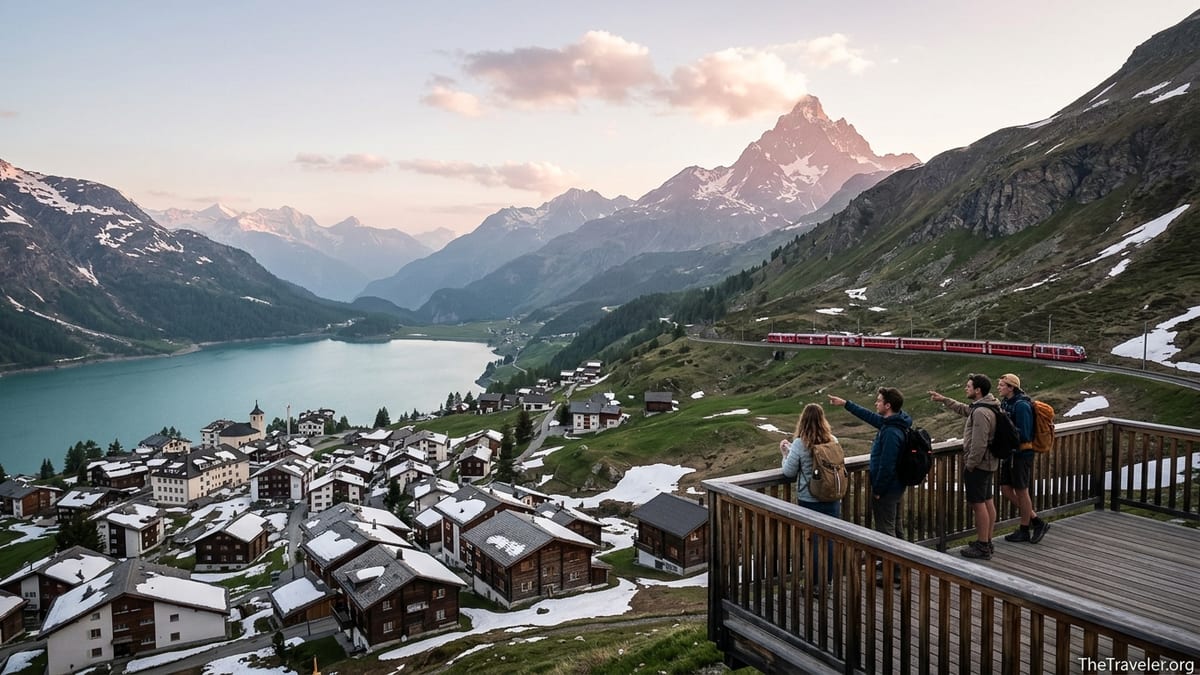
Understanding Your Main Switzerland Tour Options
When travelers talk about “Switzerland tours,” they usually mean one of five broad formats. First are fully escorted coach or rail tours, where you join a group of 20 to 45 people, follow a fixed itinerary, and travel with a tour director from start to finish. Operators such as Trafalgar, Globus and smaller regional companies typically bundle hotels, many meals, local guides and luggage handling into one per-person price. A 10 to 12 day classic “Grand Tour of Switzerland” with an escorted brand can easily run from around 3,000 to 4,500 US dollars per person excluding flights, depending on season and hotel category.
Second are independent rail packages that stitch together hotels and scenic trains but leave you to travel on your own. These packages might include reserved seats on the Glacier Express or Bernina Express, point-to-point tickets or a rail pass, and city-center hotels. A typical eight-day “Grand Tour of Switzerland with Glacier Express” independent rail package for 2025, sold by several European tour wholesalers, usually falls around the mid 2,000s per person in double occupancy for three or four star hotels, not including flights. You get structure and convenience without a full-time guide.
Third are dedicated Swiss Alps trips focused on mountain resorts such as Zermatt, Grindelwald, Wengen or St. Moritz. These can be escorted or independent, and often prioritize cable cars, cogwheel trains and alpine walks over city sightseeing. Fourth are small-group tours, often capped at 12 to 18 guests, which trade big-coach efficiency for more flexible pacing and boutique hotels. One example is a 10-day Switzerland adventure with a regional boutique operator running with 12 to 16 travelers, usually priced slightly higher than a mass-market tour because of smaller groups and more included experiences.
Finally, there are private and custom tours where a local company designs a trip around your interests, using private guides and drivers or premium rail. For instance, a private chauffeured day trip through the Swiss Alps from Zurich or Lucerne, with hotel pickup and a driver-guide, typically starts from around 700 Swiss francs for a full day for up to six guests, excluding meals and mountain tickets. Multi-day custom itineraries that combine rail, transfers and hand-picked hotels are usually quoted as complete packages and can easily reach several thousand francs per person for a week, depending on the level of luxury.
Escorted Switzerland Tours: Convenience at a Package Price
Escorted tours remain a popular way to see Switzerland, especially for first-time visitors and those who value convenience over flexibility. A typical 10 or 11 day escorted Switzerland tour might start in Zurich, continue to Lucerne, grind up to Interlaken and the Jungfraujoch region, swing via the Glacier Express to Zermatt, and finish in Geneva or back in Zurich. Coach-based itineraries sometimes swap segments of scenic rail for highway drives, while rail-based groups use regular or panoramic trains to connect key destinations. Many packages include at least one iconic mountain excursion, such as Jungfraujoch from Interlaken or Gornergrat from Zermatt.
Pricing reflects the combination of logistics and inclusions. For example, a small-group Swiss and Alps itinerary with a US-based regional operator running in summer 2025 quotes prices around the high 4,000s per person for 9 or 10 days, including a dedicated tour director, private coach transport, guided city walks, several included dinners and select mountain excursions. Larger-group brands may advertise seemingly lower headline prices, such as from the low 3,000s per person for a similar length tour in shoulder season, but you should look closely at what is and is not included: some excursions and many lunches are optional add-ons.
The value of an escorted tour shows clearly in complex itineraries where you cross linguistic regions, take multiple trains and cable cars, and move hotels frequently. Rather than deciphering timetable apps and baggage rules, you hand your suitcase to a porter and follow your guide. In mountain regions where weather can change quickly, a good tour director will reshuffle excursions and secure alternatives such as a lake cruise if a summit is fogged in. For travelers with mobility concerns, escorted tours also reduce the need to manage stairs, transfers and ticket machines.
The trade-off is reduced spontaneity and a set pace. You might love Bern and wish for an extra day to explore its arcades and museums, but the bus departs at 8 a.m. no matter how you feel. Solo travelers should also note that single supplements on escorted tours can be substantial, often 800 to 1,300 US dollars for a 10-day itinerary. Escorted tours are most worth paying for if you are nervous about independent travel, prefer structured days, or are visiting in peak season when popular scenic trains and hotels book far ahead and a tour company’s allotments become a real advantage.
Independent Rail Packages and the Swiss Travel Pass
Independent rail packages appeal to travelers who want a clear route and prepaid logistics but prefer to explore without a group. A typical example for 2025 is an eight-day “Grand Tour of Switzerland with Glacier Express” sold as an independent itinerary. These packages usually include hotel nights in cities such as Zurich, Lucerne, Interlaken, Zermatt and St. Moritz, reserved seats on panoramic trains like the Glacier Express, and a Swiss Travel Pass or similar rail ticket covering most public transport. Breakfast is often included, while lunches and dinners remain flexible.
The backbone of many such itineraries is the Swiss Travel Pass, an all-in-one ticket for foreign visitors that provides unlimited travel on most trains, buses and boats plus free or discounted entry to many museums. For 2025, published price lists show that a standard second-class Swiss Travel Pass typically runs in the mid to high 200s Swiss francs for three days and scales up into the 400s for eight days, with first-class and youth prices higher or lower respectively. Exact costs vary by point of sale and currency, but as a rule of thumb you can expect to pay roughly 45 to 60 francs per travel day on longer passes when averaged out.
Compared with piecing together Saver Day Passes and regional tickets, a Swiss Travel Pass within a rail package prioritizes simplicity over absolute lowest price. This becomes particularly valuable if your itinerary includes spontaneous detours such as a boat ride on Lake Lucerne or an unplanned afternoon escape to Appenzell. Many rail packages also include seat reservations on the Glacier Express or Bernina Express, which are mandatory for panoramic cars and can sell out months ahead on popular dates. Booking these yourself is entirely possible, but it adds another layer of planning.
Independent rail packages make the most sense when you want to cover multiple regions efficiently, are comfortable reading train timetables, and enjoy having free time in each stop. They tend to be cheaper than escorted tours with comparable routes, primarily because there is no full-time tour director and fewer group inclusions. However, prices converge once you opt for upgraded hotels and private transfers to and from airports. If budget is tight and you are willing to map out each leg yourself, buying a Swiss Travel Pass or Half Fare Card separately and building your own itinerary can still be significantly cheaper than a packaged rail tour.
Swiss Alps Trips and Scenic Rail Journeys
For many visitors, “Switzerland” really means time in the Alps. Specialized Swiss Alps trips zoom in on regions like the Bernese Oberland, Valais and Graubünden, and hinge on high-mountain railways and cable cars. Rail-focused operators highlight routes such as the Glacier Express between Zermatt and St. Moritz, the Bernina Express from Chur or St. Moritz into northern Italy, and shorter lines like the Gornergrat Railway or Jungfraujoch cogwheel train. An eight-day Glacier Express–focused rail journey in 2025 with a European rail specialist typically costs the equivalent of 2,500 to 3,000 US dollars per person in mid-range hotels, excluding international flights.
Escorted Swiss Alps tours often bundle several of these experiences. For instance, a 12-day small-group Alps itinerary might include first-class seats on both the Glacier Express and Bernina Express, overnights in lakeside Lucerne and Lugano, and guided walks in Zermatt and St. Moritz. One sample program for August 2025 marketed to North American travelers is priced around 6,800 US dollars per person in a small group, including about 20 meals, luggage handling and a dedicated Swiss guide throughout. While that figure is not cheap, adding up comparable hotels, first-class rail segments and privately guided excursions booked individually often lands in a similar price bracket, especially in peak season.
If your primary goal is to experience one or two iconic trains rather than a full pan-Swiss circuit, a shorter independent package may suffice. Several companies sell four to six day “Glacier Express short breaks” or “Bernina Express and Lake Como” combos, starting around 1,800 to 2,500 US dollars per person in standard hotels. Typically these include one major scenic train, a couple of city or resort nights, and some free time. Travelers comfortable booking their own hotels in Zermatt and Chur or St. Moritz can replicate much of this, but must remember that seat reservations for the panoramic cars on Glacier Express and Bernina Express incur extra charges on top of basic rail fares.
Alps-heavy itineraries are where weather sensitivity becomes a serious factor. Paying for a package with multiple high-mountain excursions increases your chances that at least some will enjoy clear skies, but nothing guarantees that your one booked day at Jungfraujoch will be cloud-free. This is another area where flexible independent travel shines: by basing yourself in a place like Wengen or Grindelwald for four or five nights and watching the forecast, you can pick the best days for Jungfraujoch, Schilthorn or First with on-the-spot tickets. Packages and tours lock in dates, but lower your stress around logistics and availability.
Small-Group and Private Tours: Paying More for Personalization
Small-group tours position themselves between big coaches and bespoke private travel. A regional small-group operator’s “Signature Switzerland” tour for late July 2025, for example, runs 10 days from Zurich to Geneva with a maximum of around 16 guests, using a private motorcoach and four-star hotels. Prices for such itineraries generally sit above mainstream escorted offerings, often in the range of 4,500 to 6,000 US dollars per person excluding flights. In return, you get a more intimate group size, the ability for the guide to adapt slightly to group interests, and occasionally access to smaller, atmospheric lodgings that cannot host large groups.
Private tours elevate customization even further. In Switzerland, this might mean a private driver-guide taking a family of four from Zurich to Lucerne, then into the Bernese Oberland and onward to Zermatt over a week. A single-day private chauffeured tour through the Alps starting in Zurich can cost around 700 Swiss francs for up to six guests, covering vehicle, driver-guide and fuel. Local guiding services in popular bases like Interlaken and Lucerne often publish sample prices such as around 520 francs for a five-hour custom walking and public-transport-based tour for a small group, plus the cost of tickets. Full-day professional guiding typically prices out lower per hour than short services, but still represents a significant premium over going it alone.
Several specialized Swiss companies also sell multi-day private itineraries that combine rail tickets, hotel bookings and day tours with vetted local guides. A week-long custom Switzerland journey with four-star hotels, private guiding in two or three cities, some first-class rail and airport transfers can easily exceed 5,000 francs per person, and climbs quickly if you request five-star hotels or unique experiences such as helicopter flights or private lake cruises. For many travelers, that price is justified by the reduction in planning time, the ability to travel at their own pace, and the reassurance of having a single point of contact in-country.
Private or small-group arrangements are most worth the splurge if you have a higher budget, specific interests like architecture or hiking that benefit from expert guidance, or complex needs such as traveling with young children or older relatives who might need flexible pacing and vehicle access. They are also sensible when you want to cover a lot of ground in a short number of days, as private transfers can shave hours off travel compared with purely public transport. However, if you are reasonably fit, comfortable on trains and do not mind rolling your own luggage, public transport combined with occasional local guides can deliver a similar experience at a fraction of the cost.
Independent Switzerland Travel: When DIY Beats a Package
Thanks to its integrated rail network and clear signage, Switzerland is one of the easiest countries in Europe to visit independently. For many itineraries, building your own trip with the help of a Swiss Travel Pass or a Half Fare Card is the most economical option. A Half Fare Card valid for one month costs roughly the low hundreds of francs and cuts most rail, bus, boat and many mountain transport fares by 50 percent. Experienced visitors often pair it with Saver Day Passes bought in advance, or with regional passes like the Berner Oberland Pass, to keep total costs lower than a classic nationwide pass.
Consider a traveler planning eight days split between Lucerne and the Bernese Oberland, with perhaps a day trip to Bern. A Swiss Travel Pass for eight consecutive days in second class might cost in the low to mid 400s francs at 2025 prices. By contrast, a Half Fare Card plus a combination of advance-purchase Saver Day Passes for the longest travel days and point-to-point tickets for shorter hops can come in significantly cheaper, especially if you are not riding boats and museums every day. Independent travelers on forums frequently report saving the equivalent of dozens of francs per person by assembling passes in this way, at the cost of more research and careful date planning.
The main downsides of DIY are time and confidence. You must be willing to navigate the Swiss Federal Railways app or ticket machines, understand routing quirks, and decide which mountain excursions are worth the money. In peak periods, you will also need to secure hotel bookings and scenic train reservations well ahead. For example, panoramic seats on the Glacier Express during July and August often fill weeks or months in advance. If you leave planning too late, an independent approach could mean either paying last-minute rates or compromising on your preferred route.
Independent travel is especially attractive if you like staying longer in fewer places, eating in neighborhood restaurants instead of hotel dining rooms, and prioritizing flexibility over a checklist of sights. Couples or families who enjoy research can often craft a 10-day independent itinerary including Zurich, Lucerne, Interlaken and Zermatt for noticeably less than an equivalent escorted tour, while gaining extra days where they matter most. On the other hand, if your dream trip involves many different bases and daily one-night stays, a package or escorted tour may manage that complexity more smoothly than you can on your own.
When a Packaged Itinerary Is Worth Paying For
The decision to book a tour or package instead of planning everything yourself comes down to more than headline cost. In some situations, paying for an itinerary designed and managed by specialists represents genuine value. First is when your time to plan is extremely limited. Researching which rail pass combination works best, confirming timetables and fitting in Glacier Express, Jungfraujoch, boat rides and city sightseeing takes hours. Buying an eight-day independent rail package where hotels, passes and key trains are pre-booked for you can reasonably save a busy professional many evenings of planning.
Second is when you are traveling during crowded periods or to popular routes. Summer and early autumn departures on iconic trains like the Glacier Express and Bernina Express, as well as festival weekends in cities like Montreux or Basel, push demand for both seats and rooms. Packaged rail tours and escorted trips often hold allocations on panoramic trains and in centrally located hotels, so even if you pay slightly more overall, you secure access that might not be available at short notice. For instance, some 2025 Grand Tour and Glacier Express packages specify that all seat reservations and luggage transfers between certain cities are included, a service that would be time-consuming for a newcomer to arrange piecemeal.
Third is when you value peace of mind more than absolute control. On a fully escorted tour, if a sudden rockslide disrupts a rail line or a cable car shuts for high winds, the operator handles rerouting and rebooking. On a private itinerary, your in-country contact can quickly adjust transfers and dinner reservations. That backup can be particularly reassuring for older travelers, families on a once-in-a-lifetime trip, or anyone with limited travel experience in Europe. Even a semi-packaged independent rail tour with a helpline can make dealing with disruptions much less stressful.
Finally, packaged itineraries add value when they unlock experiences that are harder to arrange independently. Examples include behind-the-scenes tours of historic hotels, after-hours museum visits, or curated food and wine evenings with local producers in regions like Lavaux or Ticino. While not every tour offers such perks, small-group and private operators increasingly differentiate themselves with these inclusions. If a specific special access element is central to your dream trip, that may justify selecting a particular package even if the rest of the itinerary could be self-planned.
The Takeaway
Switzerland rewards nearly every style of traveler, from those who like their days fully scripted to others who prefer to wake up and decide on the spot whether to chase sunshine to a new valley. Escorted tours and all-in rail packages shine when you want a comprehensive overview with minimal planning, are traveling in peak season, or appreciate having experts on hand to smooth out logistics and weather hiccups. Prices may seem high at first glance, but once you factor in premium hotels, scenic trains and mountain excursions, many travelers find the difference compared with DIY narrower than expected.
Small-group and private tours charge notably more, but buy you quieter buses, more personalized guiding and the ability to tailor pacing to your interests. These options make particular sense for multigenerational families, travelers with mobility or dietary needs, and anyone celebrating a major occasion who values seamlessness over savings. Independent travel, whether built around a Swiss Travel Pass or a mix of Half Fare and regional passes, remains the best choice for confident, budget-aware visitors who like flexibility and do not mind investing time in research.
Before you commit, sketch your must-see list, rough travel dates and budget, then price out both a sample independent plan and one or two tours with similar routes. Pay attention not only to cost but to how you want to feel on the trip: carefree and looked after, or free to pivot with the weather and your mood. In Switzerland, there is no single “right” way to travel, only the version that best matches your priorities.
FAQ
Q1. Is an escorted Switzerland tour worth the money for first-time visitors?
For many first-time visitors, an escorted tour is worth it if you are nervous about navigating trains, want to cover multiple regions in 8 to 12 days, and value having logistics, luggage handling and at least one major mountain excursion organized for you. If you are comfortable with independent rail travel and happy to plan, you can often see a similar amount for less by building your own itinerary.
Q2. How much should I budget per day for an independent Switzerland trip?
Independent travelers typically budget from about 200 to 350 US dollars per person per day for mid-range hotels, meals and transport, depending on how many mountain excursions they include. Staying in apartments, cooking some meals and using a Half Fare Card with advance-purchase rail tickets can pull that figure down, while frequent fine dining or five-star hotels raise it significantly.
Q3. Are Swiss Travel Passes better value than buying individual tickets?
Swiss Travel Passes are great value if you plan to travel almost every day by train, bus or boat and visit several museums. If your itinerary includes only a few longer train rides and you stay put in one region for several days, a Half Fare Card combined with Saver Day Passes or regional passes can be cheaper than a nationwide pass, though it requires more planning.
Q4. Do I need to reserve seats on the Glacier Express and Bernina Express?
Yes, the panoramic cars on both Glacier Express and Bernina Express require separate seat reservations in addition to a valid ticket or pass, and these reservations can sell out in summer and holiday periods. Some rail packages and tours include these reservations, while independent travelers must book them themselves and should do so as early as possible.
Q5. When is a private tour in Switzerland worth the extra cost?
A private tour is most worthwhile if you have limited time, specific interests such as photography or hiking, mobility needs that make public transport harder, or a special occasion where you want seamless door-to-door service. Families or groups of four to six can sometimes make private guiding cost-effective when the fee is shared across the group.
Q6. Are small-group tours really different from regular coach tours?
Small-group tours usually limit group size to around 12 to 18 guests, use smaller vehicles and more intimate hotels, and allow guides to adjust pacing more easily than on a 40-person coach. They cost more per person than mass-market tours but often feel less rushed and more personal, which many travelers consider worth the premium.
Q7. Can I visit the Swiss Alps as a day trip from Zurich or Lucerne?
Yes, several mountain excursions work as day trips from major cities, such as Mount Rigi or Pilatus from Lucerne and Mount Titlis from Zurich or Lucerne. However, classic alpine resort areas like the Jungfrau region or Zermatt are best experienced with at least one or two nights on location so you can enjoy early morning and evening views and have flexibility around weather.
Q8. How far in advance should I book a Switzerland tour or rail package?
For peak summer and autumn departures, booking a tour or rail package three to six months in advance is wise, especially if it includes Glacier Express or Bernina Express. Independent travelers should secure hotels and scenic train reservations as soon as they fix dates, as popular routes and resort towns can sell out during holidays and major events.
Q9. Is Switzerland safe for solo travelers planning their own trip?
Switzerland is generally very safe for solo travelers, with low crime rates, reliable public transport and widespread English in tourist areas. Solo visitors should follow normal precautions, but most find it straightforward to navigate cities and mountain regions alone, especially with the help of rail apps and clear signage at stations and cable car stations.
Q10. Should I book mountain excursions like Jungfraujoch and Gornergrat in advance?
For very popular routes such as Jungfraujoch during high season or holiday periods, advance booking can secure preferred times, but buying tickets on the day gives you flexibility to choose clearer weather. Many independent travelers monitor the forecast and decide a day or two ahead, while tours often include fixed excursion days where the operator handles ticketing.