


The Swiss Plateau stretches between the Jura and the Alps, a populated belt of lakeside cities, rolling farmland and spa towns that is often rushed through on the way to the mountains. Yet for travelers based in Zurich or Bern, it offers some of the easiest and most rewarding day trips in Switzerland. This guide compares guided tours and independent rail excursions, with concrete examples of what you can expect to see, pay and experience in historic towns, on the countryside and in the region’s famous thermal spas.
Understanding the Swiss Plateau as a Day Trip Region
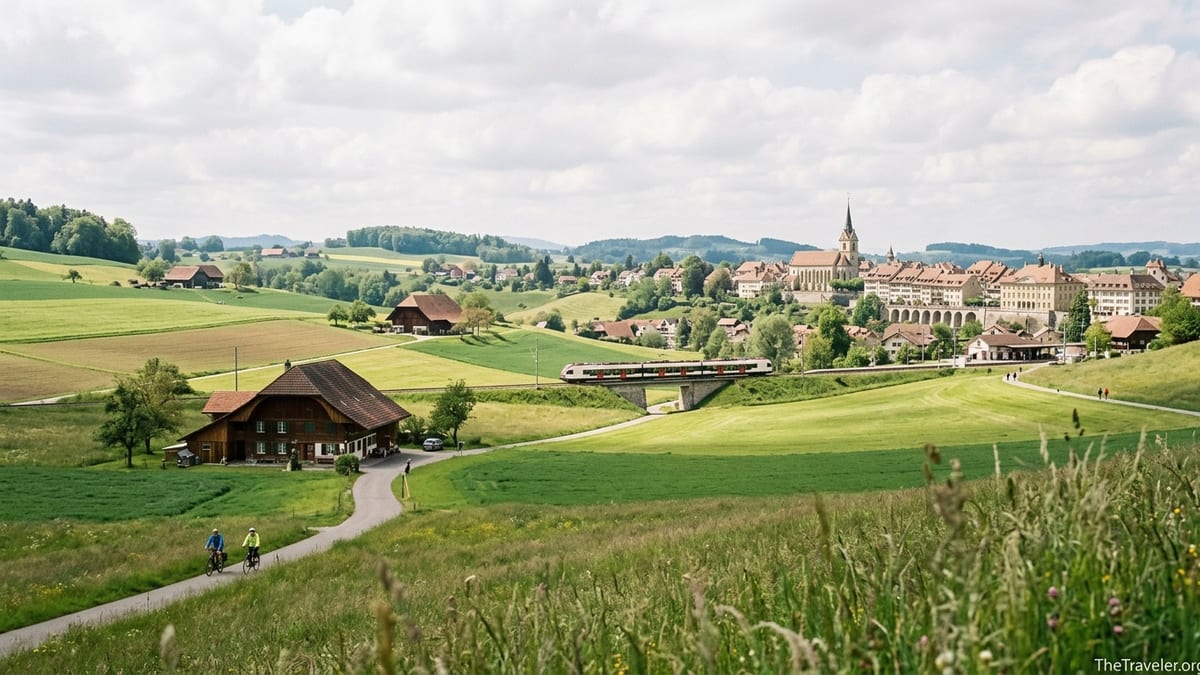
When Swiss people talk about the Mittelland or Plateau, they mean the gentle lowlands that run from Lake Geneva in the west through Bern and Zurich to St. Gallen in the east. For visitors, this translates to compact distances between cities such as Zurich, Winterthur, Zug and Lucerne, and countryside pockets like the Emmental, Appenzellerland and wine-growing areas along the Aare and Limmat rivers. Trains are frequent, fast and rarely require reservations, which makes the region particularly suitable for spontaneous day trips from major hubs.
From Zurich Hauptbahnhof, there are direct trains every 30 minutes or better to many Plateau highlights. Zurich to Lucerne takes around 45 minutes on an InterRegio train, Zurich to Bern roughly one hour, and Zurich to Baden, the historic spa town on the Limmat, about 20 minutes. From Bern, frequent services reach Thun in 20 to 30 minutes, Fribourg in about 25 minutes and Burgdorf, gateway to the Emmental, in roughly 15 minutes. These short hops mean you can leave after breakfast and still have a full day in a different town or landscape.
Because public transport works so well, you need to think carefully before paying premium prices for a coach tour that simply follows the same motorway your train would parallel. Guided excursions can still be worthwhile, especially when they bundle multiple stops such as a medieval village plus cheese tasting, or when time is tight and you value having logistics handled. This article uses prices and products current for 2025 and 2026 as examples, but you should always confirm the latest schedules and rates before booking.
For planning purposes, a rough benchmark is that a full day guided group tour from Zurich including transport typically runs between 80 and 200 Swiss francs per adult, depending on whether mountain cable cars or expensive attractions are included. By comparison, a point to point second-class return train ticket within the Plateau often falls between 20 and 80 francs if you buy at the station without any discount card, and far less if you use a Swiss Half Fare Card or a day pass.
Historic City Tours: Zurich, Bern and Lucerne
Zurich and Bern sit at the heart of the Plateau, and both tourism offices coordinate a wide range of guided walks in their old towns. In Zurich, the official tourism organization lists private Old Town walking tours of two hours from around 288 francs per group for up to 20 guests in 2026, which breaks down to about 14 francs per person if you are a full group. Similar independent guides advertise small private tours of the historic Altstadt that focus on places like the Grossmünster, the guild houses along the Limmat and the alleyways around Niederdorf, usually in the 250 to 350 franc range for two to three hours of guiding.
For solo travelers and couples, scheduled group walks sold through Zurich Tourism or local operators are usually better value. Group old town tours of about two hours commonly cost in the region of 25 to 40 francs per person and run several times a week in high season. They follow a fixed route from Zurich main station past Lindenhof hill, the Fraumünster stained glass windows and down to Lake Zurich before looping back. These tours give a structured overview of the city and are a good starting point on your first day in town.
Bern’s UNESCO listed old town, with its long arcaded streets and sandstone facades, is compact and easy to explore independently. Nonetheless, the Bern tourism office and several private agencies offer daily or near-daily guided walks that explain the Zytglogge clock tower, the bear pit history and the Aare river’s role in local life. Prices for scheduled walking tours tend to hover around 25 to 30 francs per adult. If you already feel comfortable navigating European cities and enjoy reading interpretive panels, you may find that an inexpensive self-guided audio tour combined with a free city map offers enough structure, especially because Bern’s street grid is straightforward.
Lucerne is technically on the border between the Plateau and the alpine foothills, but in practice it is the classic first day trip from Zurich. Guided coach excursions from Zurich that include a brief orientation tour in Lucerne start around 60 to 70 euros per person for a basic city-focused trip, rising to 175 euros or more if you add mountain excursions such as Mount Titlis or Mount Pilatus. Independent travelers can simply hop on a direct train from Zurich and be standing on the Chapel Bridge in under an hour, spending perhaps 50 to 60 francs for a same-day return ticket, depending on the fare products they use. In Lucerne, the old town is small and well signposted, so many visitors choose to walk on their own, spend their budget on a lake cruise or a museum, and skip a formal guided tour entirely.
Countryside Excursions and Emmental Farm Country
One of the biggest advantages of starting from Bern is how quickly you can reach classic Swiss countryside on the Plateau. The Emmental, famous for its rolling hills, patchwork pastures and large farmhouses with deep eaves, lies just beyond Bern’s city limits. Trains from Bern to Burgdorf take about 15 minutes, and from there local buses and regional trains push deeper into the valley toward Langnau. With a Swiss travel pass or day ticket, you can improvise your own route, hopping off in villages for short walks, farm shops and views.
Several tour operators bundle this rural experience into structured day trips. A typical offering from Bern combines a visit to the Kambly biscuit factory in Trubschachen, where tasting counters showcase dozens of varieties of Swiss cookies, with an Emmental cheese dairy visit or a walk to a panoramic lookout over the hills. Group tours by coach including transport and tastings often price around 100 to 150 francs per adult. For comparison, doing the same route independently by train and bus might cost half that amount in transport fares if you already hold a half fare card, plus modest entry fees, but you will need to align your own connections.
From Zurich, countryside tours on the Plateau often head toward the Zurich wine region along the Rhine, to the monastery village of Einsiedeln, or to the Rhine Falls and the storybook old town of Stein am Rhein. Regular-excursions catalogues for 2025 list half day coach trips from Zurich to Rhine Falls starting in the 70 to 100 franc range, including the services of a multilingual guide and, in some cases, an optional boat ride close to the falls. Full day variants that add a stroll through medieval Stein am Rhein, with its frescoed facades, usually cost more but save you the complexity of chaining together multiple regional trains and buses to fit everything into one day.
If you mainly want the scenery and are comfortable with timetables, doing these countryside trips by train is very manageable. Zurich to Schaffhausen, the gateway to the Rhine Falls area, takes around 40 minutes by direct train. From there, frequent local trains and buses connect to Neuhausen Rheinfall, the station above the viewing platforms. Likewise, Zurich to Einsiedeln is roughly one hour with a simple change, and Zurich to Appenzell, while technically leaving the Plateau for hillier country, is a charming 2 hour ride. The main trade off is that a DIY countryside day gives you more flexibility to stop for a long lunch or photo session, but you must keep an eye on departure times, especially in the late afternoon when rural services thin.
Food Experiences: Cheese, Chocolate and Urban Tasting Tours
The Swiss Plateau is the country’s pantry, home to dairy farms, bakeries and chocolate factories that supply both local households and export markets. From Zurich, a growing number of culinary tours focus on urban tasting rather than long transfers. Zurich Tourism’s food themed walking tour, for instance, is priced around 414 francs for a three hour private group experience in 2026, with an additional per person surcharge for food tastings. Spread over six to fifteen participants, that works out to roughly 70 to 90 francs per person for an expert led walk through selected bakeries, markets and specialty shops.
Group culinary events range from chocolate making workshops in Zurich’s industrial districts to fondue evenings in nearby villages reached by short bus rides. Corporate and private clients can book packages where a guide leads them through a chocolate factory visit, such as at the Lindt Home of Chocolate in Kilchberg on Lake Zurich, combined with a walk and a lakeside aperitif. These experiences often sit in the 100 to 200 franc band per person once tastings and workshop fees are included, but they allow you to sample premium products and gain context from chocolatiers and cheese makers.
From Bern, food tours tend to branch out into surrounding production regions. One popular pattern is a day trip from Bern to the town of Gruyères, technically in Fribourg canton yet still conveniently reachable within about 90 minutes to 2 hours by train using Plateau rail lines. There, visitors pair a castle visit with a stop at the nearby cheese dairy and continue to a chocolate factory in Broc. Organised excursions wrapping this trio of attractions into a single day are widely marketed and generally cost at least 150 to 200 francs per person, including coach travel and guided commentary. Doing it yourself by train and local buses can be cheaper but involves more changes.
If your budget is tight, urban markets are a more affordable way to explore Swiss food culture. Zurich’s weekly farmers’ markets by the Limmat or in the Viadukt arches, and Bern’s famous produce market spread around the Bundesplatz, showcase Plateau cheeses, meats and seasonal vegetables. Here you can taste samples, pick up picnic supplies and talk to producers at the price of whatever you buy. No guide is needed, although self guided food lovers might appreciate reading up on Swiss cheese styles and seasonal specialties beforehand to know what to look for.
Thermal Spas and Wellness Day Trips
Thermal springs bubble up at several points along the Swiss Plateau, and centuries of spa culture have left a network of modern wellness complexes within day trip range of Zurich and Bern. The spa town of Baden, west of Zurich, is perhaps the easiest option. Trains from Zurich Hauptbahnhof reach Baden in about 20 minutes, and from the station it is a short walk through the old town to the new thermal quarter. Modern spa facilities there, operated by various hotel and wellness brands, usually sell three hour or full day entry tickets in the broad range of 45 to 70 francs per adult, with surcharges for sauna areas or weekend visits.
Closer to Lake Zurich, the large water park and wellness complex at Pfäffikon or the Tamina Therme in Bad Ragaz, slightly beyond the Plateau toward the Alps, offer a mix of thermal pools, saunas and relaxation zones. Coach tour catalogues occasionally bundle half day spa visits with scenic drives, but in most cases Swiss visitors simply arrive independently by train or car. For example, a Zurich to Bad Ragaz train journey takes around 75 minutes with direct InterRegio services, and the spa sits a short local bus ride or 15 minute walk away. This kind of outing is straightforward to plan on your own, and a guided tour adds relatively little value unless you are combining the spa with another more complex destination.
From Bern, thermal options include day trips to the spa facilities in Fribourg canton and beyond, though these are less heavily marketed to international visitors than the mountain wellness hotels. As a rule of thumb, if the main attraction of your day is to soak in warm pools and wander a compact town, you will gain more from the flexibility of independent travel. Arriving and leaving on your own schedule matters when a spa proves either more relaxing or more crowded than you expected. The main logistical consideration is checking the last convenient train back to your base city and building in time to shower and change before departure.
Travelers should keep in mind that Swiss spas often operate with clear etiquette: swimwear is required in mixed pool areas, sauna zones may be textile free and segregated or mixed depending on the facility, and advance reservations for massages are common on weekends. None of this requires a guide to navigate, but it does merit reading the spa’s current rules before you go. Most complexes provide lockers, towel rental for a fee and on site restaurants or snack bars, so you can treat the day as a simple carry on excursion with swimsuit, flip flops and a light change of clothes.
Private Drivers, Group Coaches or Independent Rail: Choosing the Right Format
When comparing guided tours to independent day trips on the Swiss Plateau, it helps to think in terms of complexity and personal comfort. City walks in Zurich or Bern are low complexity and well suited to either option. You can join a scheduled group walk for under 40 francs per person or design your own tour using a guidebook, map and perhaps an inexpensive audio app. The main premium you pay for a private guide, typically 250 to 350 francs for two hours, buys flexibility on timing, pace and language, which may be justified for families, mobility impaired travelers or groups with specific interests like modern architecture or local politics.
Rural circuits that string together multiple small towns and attractions are where guided coaches and private drivers become more attractive. A full day private excursion from Zurich by car or minivan to Lucerne, the countryside and back may start around 700 to 800 dollars or francs for the vehicle and driver, according to current listings, which makes sense if you are four to six people splitting the cost and want door to door pick up. Group coach tours offer a cheaper per person rate for solo travelers but lock you into fixed departure times and sightseeing stops that may feel rushed.
Independent rail starts to shine whenever your itinerary follows a straight corridor, such as Zurich to Lucerne, Zurich to Bern, Bern to Thun or Bern to Fribourg. Swiss intercity and interregional trains are clean, punctual and usually run at least every hour during the day. A Zurich to Lucerne round trip without discounts might cost in the neighbourhood of 50 to 60 francs, while holders of a Swiss Half Fare Card would pay roughly half that. In contrast, a guided day trip from Zurich to Lucerne that duplicates the same journey and adds a basic city orientation might cost from about 60 to 80 euros, before any mountain add ons.
Ultimately, the right balance for most visitors is mixed. You might take an inexpensive guided walking tour on your first day in Zurich to gain context, then ride the train on your own for a day in Lucerne, and finally join a structured countryside or cheese and chocolate day from Bern where the logistics of small town transfers would be fiddly to organise. Thinking this way keeps your overall budget in check while still giving you access to expert commentary and hidden corners in at least a couple of places.
Sample Itineraries from Zurich and Bern
To make these comparisons more concrete, consider a first timer based in Zurich for three nights. On day one, they join a two hour old town group walking tour in the afternoon for around 30 francs, then spend the rest of the day exploring museums on their own. On day two, they buy a Zurich Lucerne return train ticket, ride 45 minutes to Lucerne, walk the Chapel Bridge and city walls at their own pace, perhaps adding a short lake cruise purchased on the spot, and return in the evening. Their only fixed cost for the day is transport plus whatever they choose to spend on activities and food.
On day three, the same visitor might decide that a structured countryside combination is worth the extra money. They book a full day coach tour that includes the Rhine Falls and the village of Stein am Rhein, paying around 90 to 130 francs. In return, they are picked up near Zurich main station, driven to the falls with commentary, taken onward to the medieval town without worrying about rural train connections, and returned in the early evening. This blend of one guided city tour, one independent rail day and one guided countryside excursion gives them a well rounded impression of the Plateau.
From Bern, a typical three night stay could look different. On the first full day, a traveler strolls the old town largely self guided, perhaps using a printed walking route from the tourist office and paying only for any museum entries they choose. On the second day, they ride the quick train to Thun, wander the lakeside promenade and castle district, and decide spontaneously whether to continue by boat down Lake Thun or return to Bern for dinner under the arcades. On the third day, they join an organised outing through the Emmental, visiting a demonstration cheese dairy, tasting Kambly biscuits and stopping for photos at classic farmhouses, enjoying the ease of a minibus that connects these rural spots without complex transfers.
These examples illustrate how using rail independently for simple point to point hops and reserving guided tours for multi stop, rural or highly specialised themes usually produces both better value and a more relaxed pace. The Swiss Plateau’s dense transport network and compact distances make it unusually forgiving if you change your mind during the day, especially when you build in buffer time before any fixed evening commitments.
The Takeaway
Seen from the window of an intercity train, the Swiss Plateau can look like a blur of suburbs and fields between the glamorous mountains. Yet for travelers staying in Zurich or Bern, it is one of the easiest regions in Europe for varied, low stress day trips. Historic city cores, spa towns and soft rolling countryside sit less than an hour apart, tied together by reliable trains and well organised tours.
Guided products come into their own when they add something beyond simple transport: in depth storytelling on a walking tour, seamless chaining of rural stops that would be awkward by bus, or curated food experiences that unlock kitchens and tastings individual visitors might not access. At the same time, the plateau’s short distances and clear signage mean that independent rail travel is often the smarter choice for straightforward routes like Zurich to Lucerne or Bern to Thun, where you can keep costs in check and set your own pace.
For most visitors, the sweet spot lies in combining both styles. Start with a guided orientation in your base city, lean on trains for easy point to point excursions, and reserve a couple of more expensive countryside or culinary tours for the days when having a driver guide feels like a treat. With that mix, the Swiss Plateau becomes not a corridor to rush through, but a richly textured landscape of towns, farms, lakes and spas that reward lingering.
FAQ
Q1. Is it better to stay in Zurich or Bern for Swiss Plateau day trips?
Both work well, but Zurich offers more direct rail and tour departures, while Bern gives faster access to Emmental countryside and smaller Plateau towns. Many first timers choose Zurich, then add a night or two in Bern if time allows.
Q2. When does it make sense to book a guided city tour instead of exploring alone?
Guided tours are most useful on your first day, if you value context and storytelling or have limited time. They are also helpful for travelers who prefer not to navigate foreign cities alone or who want a themed walk, such as architecture or food.
Q3. Are group coach tours from Zurich to Lucerne worth the price?
They can be if you want everything pre arranged, especially when combined with a mountain excursion. For a simple Lucerne city visit, however, most travelers find that taking the 45 minute train and exploring independently offers better value and more flexibility.
Q4. How expensive are private guides in Zurich or Bern?
As of 2026, a two hour private walking tour for up to about 20 people typically starts around 280 to 350 Swiss francs per group, not including museum entries or food. Divided among a full group, the per person cost can be quite reasonable.
Q5. Do I need to book Swiss trains in advance for day trips on the Plateau?
For regular intercity and interregional trains within Switzerland, reservations are generally unnecessary and seats are first come, first served. You can usually buy tickets on the day, though discount passes or special fares may require earlier planning.
Q6. Which Plateau countryside excursion is best for first time visitors?
From Zurich, classic choices are Rhine Falls with Stein am Rhein or a trip toward Appenzell. From Bern, an Emmental day with cheese and biscuit visits is very representative. All combine gentle landscapes with easy walking and local food.
Q7. How much should I budget for a thermal spa day trip?
Allow for roughly 45 to 70 francs for spa entry, plus train fares of 20 to 60 francs depending on distance and any discount cards. Add extra for meals, towel rental and optional treatments if desired.
Q8. Are food tours suitable for children?
Many chocolate themed tours and factory visits welcome families and are a hit with children, while wine focused tastings are more adult oriented. Check age policies and tasting content before booking, and consider shorter, more hands on experiences for younger kids.
Q9. Is English widely spoken on tours and in Plateau towns?
Yes, in major cities and on most organised tours, guides routinely operate in English, and staff in tourist facing businesses usually speak it well. In rural areas fewer people are fluent, but basic communication is rarely a problem for visitors.
Q10. What is the best season for Swiss Plateau day trips?
Spring and autumn offer mild temperatures, green or golden landscapes and fewer crowds, making them ideal. Summer brings lively lakefronts and markets but also higher prices and busier trains, while winter can be atmospheric in cities although some countryside options operate on reduced schedules.