


The Swiss Alps are one of Europe’s most spectacular destinations, but also one of the priciest. Planning a realistic budget is almost as important as choosing which peaks to visit. This guide pulls together current examples from major Alpine hubs like Zermatt, Jungfrau, Engelberg and Arosa to help you understand what hotels, mountain railways, cable cars, ski passes, meals and transport really cost in 2025–2026, and what that means for a sensible daily budget at different comfort levels.
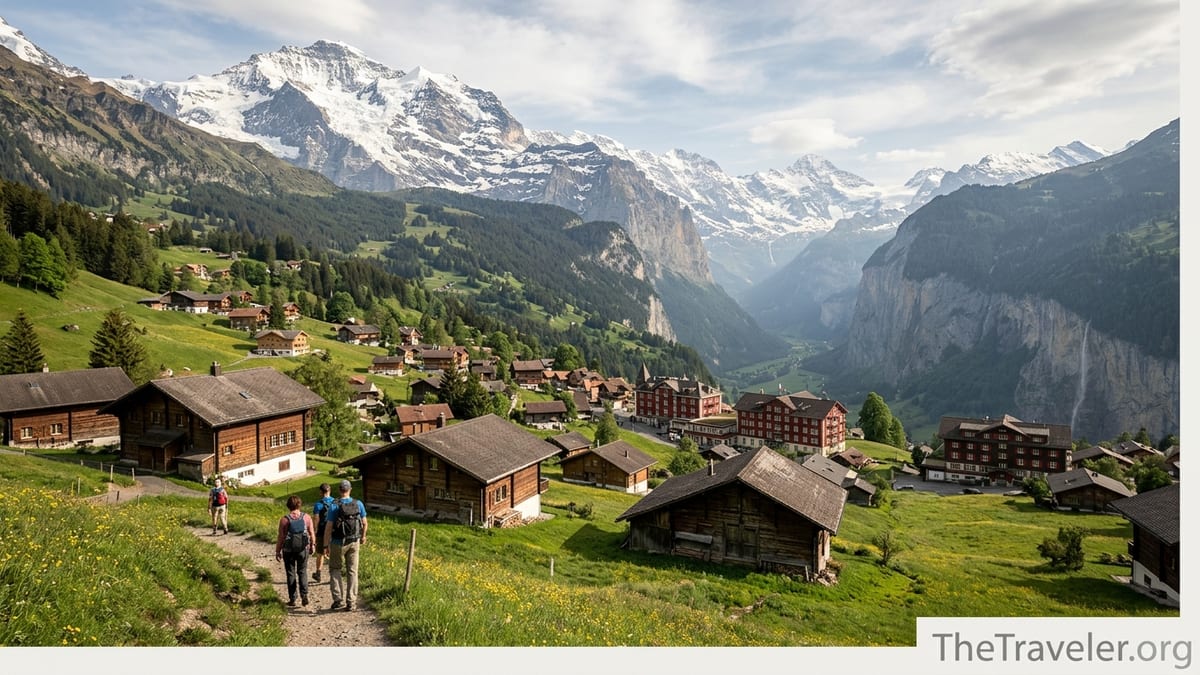
What Makes the Swiss Alps Expensive (and Where You Can Save)
Switzerland regularly ranks among the most expensive travel destinations in Europe, and the Alps amplify that effect. Resort towns such as Zermatt, Verbier, St. Moritz and Grindelwald are small, high-altitude communities where everything from groceries to construction materials must be transported uphill. Wages are high, infrastructure is sophisticated, and operations run year-round in harsh conditions. All of that is reflected in hotel rates, restaurant bills and the price of your ski pass.
The good news is that costs are not uniform. Smaller bases such as Interlaken, Lauterbrunnen or Brig often have more moderate prices than car-free icons like Zermatt or Wengen. In the Jungfrau region, for example, a mid-range double room in Interlaken can be notably cheaper than an equivalent room in car-free Mürren, even though you share the same mountain backdrop. Choosing a base one step down the valley, then using trains and lifts to access the high country, is one of the simplest ways to reduce your daily spend without sacrificing scenery.
Season matters just as much. Hotel rates in top resorts typically peak in high winter (Christmas to early January, February school holidays) and in the core summer hiking season. Visiting in late January, early March, or September often brings noticeably lower prices on both accommodation and mountain transport, while the mountain experience remains excellent, especially for hikers and scenic travelers who do not need deep powder or peak wildflower season.
Finally, how much you ride cable cars and mountain railways in a single day will dramatically change your budget. A single return trip on a flagship route like Jungfraujoch or a cluster of cable cars around Zermatt can cost more than a hotel night in a simpler guesthouse. Knowing which “big ticket” excursions you care about most, and planning around them, is key to keeping overall costs under control.
Alpine Accommodation: From Hostels to Palace Hotels
Accommodation will probably be your single largest expense in the Swiss Alps. At the budget end, dorm beds in well-rated hostels in Interlaken, Grindelwald or Zermatt often start around 45 to 70 Swiss francs per person per night outside peak holidays, usually including basic breakfast and shared facilities. Simple private rooms in guesthouses and older two-star hotels in valley towns can begin around 120 to 160 francs for a double in quieter periods, rising in busy weeks.
Mid-range travelers staying in classic three-star hotels with breakfast included should plan on roughly 220 to 320 francs per night for a double room in popular bases such as Grindelwald, Zermatt or Engelberg, with slightly lower prices in less famous towns. In an Interlaken three-star near the station, it is still possible to find off-season doubles closer to 200 francs, while similarly located hotels in Zermatt often sit higher. Room rates climb quickly for lake views in Lucerne or Matterhorn views in Zermatt.
Luxury properties in the Swiss Alps have seen strong rate growth in recent years, especially in prime resorts like Verbier, St. Moritz, Zermatt and Gstaad. It is common for five-star hotels and design-led lodges in these areas to start around 550 to 800 francs per night for standard double rooms in winter or high summer, with suites running into four figures. Exclusive chalets with private chefs and spas can cost several thousand francs per night, especially during Christmas and New Year. According to recent analyses of Alpine property and hospitality trends, these marquee resorts sit at the top end of the price spectrum, and travelers who aim for them should budget accordingly.
One way to moderate costs is to mix lodging types. Travelers might spend two nights in a simple valley hotel at around 180 francs per night, then splurge on one night in a historic grand hotel in Zermatt or Lucerne at 600 francs. Another strategy is to choose smaller monasteries, mountain inns or family-run pensions, which often provide half-board packages including breakfast and dinner for a modest premium over bed-and-breakfast only, reducing restaurant spending and adding cost certainty.
Mountain Railways, Cable Cars and Scenic Peaks
The Swiss Alps are crisscrossed by some of the world’s most famous mountain railways and cable cars, and these are priced as premium experiences. A classic example is Jungfraujoch, the “Top of Europe” above Grindelwald and Wengen. A return ticket from Grindelwald Terminal or Wengen to Jungfraujoch in 2025 can easily run into the low hundreds of francs per adult at the standard rate, with discounts available for holders of Swiss Travel Passes, Half Fare cards or regional passes. Travelers often report paying substantially less when combining rail passes or promotional offers, but the underlying full price gives a sense of how expensive these peak excursions can be.
Other iconic rides follow a similar pattern, with somewhat lower but still significant prices. The Titlis cable-car system from Engelberg to Klein Titlis, which includes the rotating Titlis Rotair gondola, typically costs under 100 francs for a same-day return ticket for adults at current rates, which many see as a more affordable alternative to Jungfraujoch while still offering glacier views and high Alpine scenery. In Zermatt, a round trip on the Gornergrat cog railway or to the Klein Matterhorn area via the Matterhorn Glacier Ride cable cars usually sits in the same general price range, with exact amounts depending on season and any reductions from rail passes.
Less extreme but still costly are day passes for local cable car networks in regions like Grindelwald First, Schilthorn or Arosa Lenzerheide. A full-day lift ticket in a medium-to-large Swiss ski area often feels comparable in cost to a major North American resort, typically in the range of 70 to 100 francs at the ticket window in recent seasons, with dynamic pricing discounts available for advance online purchases in places like Zermatt. Summer gondola day passes, which appeal to hikers and mountain bikers, can be a little cheaper but still substantial when you add several rides across a week.
Given these prices, most travelers will not ride every peak. A practical approach is to pick one signature excursion such as Jungfraujoch, Gornergrat or Titlis, then supplement it with a couple of cheaper lift rides such as a single gondola from Lauterbrunnen to Mürren or from Zermatt up to Sunnegga for hiking. That combination gives you a high-alpine “bucket list” moment while keeping the average daily mountain transport cost manageable.
Ski Passes and Seasonal Lift Deals
For winter visitors, ski passes become the dominant Alpine expense. Large Swiss ski domains such as Zermatt, Jungfrau Region, Arosa Lenzerheide, Andermatt or Engelberg publish day and multi-day prices each season, often with dynamic pricing that adjusts according to demand and booking date. Recent public price lists and user reports indicate that full-price adult day passes for major Swiss resorts generally range from roughly 75 to just over 100 francs, with Zermatt’s dynamic rates sometimes pushing higher on peak days and dropping on lower-demand dates.
Multi-day passes offer better value but still represent a major line item. A typical four-day adult ski pass in a flagship Swiss resort can easily reach the mid-200-franc range or higher at standard prices, with advance-booking discounts reducing the per-day rate. Regional season passes such as the AlpsPass or other multi-resort products allow access to multiple large ski areas across a winter for several hundred francs, which can be excellent value for long-stay or repeat skiers but are usually not cost-effective for a one-week visitor.
Families should note child discounts and special promotions. Many Swiss regions run “children ski free” offers on certain days when an adult buys a pass at list price, making weekend day trips more affordable for local families and visitors who coordinate their plans. Children under six usually travel free on many lifts when accompanied by a paying adult, but age bands and rules vary by resort, so checking the specifics before arrival helps avoid shocks at the ticket desk.
For non-skiers in winter, some resorts offer pedestrian passes or “non-skier” tickets that grant access to a subset of lifts and viewpoints without paying for a full ski pass. For example, a visitor based in Grindelwald might purchase a Jungfrau regional pass in summer for unlimited travel over several days, or a limited winter pedestrian ticket that covers gondolas to key viewing platforms without including ski pistes. These products can substantially reduce per-ride costs for travelers who plan to move around the mountain system heavily over a few consecutive days.
Trains, Transfers and Rail Passes in the Alps
The Swiss public transport network is exceptionally comprehensive, and for most visitors, trains plus a handful of mountain lifts will replace car rentals altogether. Intercity and regional trains connect gateway cities like Zurich, Geneva and Basel to Alpine hubs such as Interlaken, Lucerne, Chur and Visp, from which narrow-gauge lines lead to resort towns. For example, a regular second-class ticket from Zurich to Engelberg or Interlaken typically costs several dozen francs each way, while Zurich to Zermatt via Visp is higher, reflecting the longer distance and mountain rail segment.
Several national and regional passes can trim these costs. A multi-day Swiss Travel Pass in second class costs a few hundred francs and covers most trains, many boats and city public transport nationwide, and offers free or discounted access to many museums and some mountain railways. Travelers using a pass like this to string together city stays such as Zurich, Lucerne and Bern with Alpine bases can save significantly over point-to-point tickets, especially when they also benefit from the 50 percent discounts it often provides on mountain railways such as Gornergrat or Pilatus.
On a purely Alpine itinerary, regional passes may be more efficient. The Jungfrau Travel Pass, valid across a set of mountain railways and cable cars in the Jungfrau region for several consecutive days, is designed precisely for visitors who want to ride multiple lifts daily for hiking or sightseeing during the summer season. In Valais, products that bundle rail access between Visp or Brig and resorts like Zermatt, plus local lifts, play a similar role, turning an unpredictable stack of single tickets into a fixed, up-front cost.
Budget travelers who are comfortable planning ahead can also make good use of advance-purchase saver fares and Supersaver tickets on the national rail system, which can substantially reduce the cost of long intercity legs outside peak times. However, these tickets are usually tied to specific trains and times and are less flexible if your plans change at short notice due to weather in the Alps. Balancing the freedom to chase good conditions with the savings from early booking is an important strategic decision for price-sensitive visitors.
Food, Drinks and Typical Daily Budgets
Restaurant prices in Switzerland surprise many visitors. Even simple main dishes in a casual restaurant in Zurich, Lucerne or Interlaken frequently cost 22 to 30 francs, with more elaborate plates easily surpassing 40 francs in touristy mountain villages. A basic pizza and a soft drink in a ski-resort pizzeria might reach 28 to 32 francs, while a main course and a glass of wine in a mid-range sit-down restaurant can push a single meal into the 45 to 60 franc range per person, especially in premium destinations.
Food courts at mountain stations and self-service cafeterias on ski slopes are not cheap either. A bowl of soup and bread at a panorama restaurant above Grindelwald or Zermatt might cost around 15 to 18 francs, with a plate of pasta, schnitzel or rösti climbing to 25 francs or more. Hot chocolate, coffee and soft drinks at altitude are also relatively expensive compared with many other European countries, and the high cost of logistics is part of the reason.
Self-catering and supermarket dining are the main levers budget travelers can pull. National chains such as Coop and Migros offer supermarket bakeries, hot buffets and ready-to-eat salads or sandwiches, often around 7 to 12 francs per item. A picnic assembled in town and carried up the mountain can keep a daily food spend in the 25 to 40 franc range per person if you reserve restaurant visits for the occasional special dinner. Hostels and apartments with kitchens make this strategy easier and are worth paying a slight premium for if you are staying several nights.
Putting everything together, realistic daily budgets per person in the Swiss Alps (excluding international flights) might look roughly as follows. A budget traveler staying in a hostel or simple guesthouse, eating mostly supermarket food with perhaps one restaurant meal every few days, and limiting mountain lifts to one or two paid rides per stay, might manage on around 130 to 180 francs per day on average. A mid-range traveler in a three-star hotel, eating one restaurant meal most days and taking several major lifts over a week, is more likely to spend in the region of 220 to 350 francs daily. Luxury visitors staying in four- or five-star properties, dining out well, and riding marquee mountain railways and ski lifts frequently should expect daily costs from roughly 450 francs upwards, and easily much higher in peak season.
Saving Money Without Missing the Best of the Alps
Controlling costs in the Swiss Alps is less about extreme penny-pinching and more about choosing where to spend. One effective tactic is to concentrate your big-ticket items rather than scattering them. For example, plan a dedicated Jungfrau or Zermatt day when you knowingly spend hundreds of francs on lifts and mountain restaurants, then offset that with a hiking day from Lauterbrunnen, Kandersteg or Engadine village trails where you pay only for a single gondola or even none at all.
Weather flexibility is another underappreciated money saver. Because peak excursions like Jungfraujoch, Gornergrat or Klein Matterhorn are expensive, it is painful to pay for them and then see nothing but cloud. By planning several potential “big mountain” days in your itinerary and waiting to buy tickets until the forecast is good, you reduce the risk of having to repeat an excursion or leave disappointed. This may mean avoiding non-refundable advance tickets on days when the weather is uncertain, even if the pre-booking discount looks tempting.
Accommodation location provides further room for optimization. Staying in Interlaken and day-tripping into Grindelwald or Wengen might add 10 to 20 francs per day in rail costs but save 80 francs per night on a mid-range double room, which quickly adds up. In Valais, using Visp or Brig as a base for day trips to Zermatt, Saas-Fee or Aletsch Arena can likewise combine lower hotel prices with access to world-class mountain scenery, at the cost of slightly longer daily commutes.
Finally, using tourism office deals and visitor cards can yield small but meaningful savings. Many resorts offer guest cards that include free local buses, discounted museum entry or reduced-price cable car rides when you stay in partner accommodations. While each reduction may be modest, over several days it can trim enough from your overall budget to pay for an extra night in a nicer room or one more special dinner.
FAQ
Q1. How much should I budget per day for a Swiss Alps trip on a tight budget?
For a careful budget traveler using hostels or simple guesthouses, cooking often and limiting paid cable cars, a realistic range is about 130 to 180 Swiss francs per person per day, including local trains and one or two modestly priced activities.
Q2. Are the famous peak excursions like Jungfraujoch and Gornergrat worth the high ticket prices?
Many visitors feel they are worthwhile once per trip because the combination of altitude, glaciers and views is hard to match, but each excursion can cost well over 100 francs per person. Choosing one marquee peak and skipping others is a good compromise if you are cost-conscious.
Q3. Is it cheaper to stay in Interlaken than in car-free villages like Wengen or Zermatt?
Generally yes. Interlaken and similar valley towns often have more competition and lower average hotel rates than small car-free villages, though you will spend extra on trains or cable cars to reach hiking and ski areas each day.
Q4. When are hotels in the Swiss Alps least expensive?
Rates are usually lower in shoulder seasons such as late January, early March and September, as well as in late spring after Easter. Christmas, New Year, February school holidays and peak summer weeks tend to be the most expensive.
Q5. Do Swiss Travel Passes and regional passes really save money?
They often do if you plan to move around frequently by train and take several mountain railways. A Swiss Travel Pass or a regional product like the Jungfrau Travel Pass can replace a stack of individual tickets and typically offers discounts on expensive peak excursions.
Q6. How expensive are meals in the mountains compared with Swiss cities?
Prices are similar or slightly higher in mountain resorts. A casual main dish in a city might cost 22 to 30 francs, while on-mountain meals in ski areas and at high-altitude restaurants can easily reach 30 francs or more for a single plate.
Q7. Can I visit the Swiss Alps without skiing and still justify the costs?
Yes. Many travelers come mainly for scenery and hiking. You can focus your spending on a small number of cable car rides and scenic trains, then keep the rest of your budget in check with valley walks, lake cruises, free village strolls and self-catered meals.
Q8. Are there affordable ski options in Switzerland for beginners?
Smaller local hills and regional ski areas typically have cheaper day passes than flagship resorts like Zermatt or St. Moritz. Prices still are not low by international standards, but choosing a modest resort and avoiding peak holiday weeks can make a beginners’ ski trip more affordable.
Q9. How far in advance should I book hotels in the Swiss Alps to get a good price?
For peak periods, booking several months ahead is wise, as cheaper rooms sell out early. In shoulder seasons, you can sometimes find better deals closer to arrival, but waiting too long in very popular towns risk higher prices or limited availability.
Q10. Is it better value to rent a car or rely on trains and buses in the Alps?
For most visitors, public transport is better value and far more convenient, especially in car-free resorts where you will have to park outside the village anyway. Parking fees, fuel and road tolls add up quickly, while trains and buses are frequent, scenic and well integrated with mountain lifts.