


The Swiss Plateau is where most travelers actually experience Switzerland: a band of rolling farmland and lakes dotted with cities like Zurich, Bern, Basel, Lausanne and Geneva. While the Alps grab the postcards, the plateau is where you cycle between villages, float down rivers, hop between museums and Christmas markets, and catch most intercity trains. Because it is a genuine four-season destination, choosing when to visit has a big impact on what you can comfortably do and how much you pay. This guide compares spring, summer, autumn and winter for cycling, city sightseeing, countryside and river activities, Christmas markets, crowds and hotel prices so you can match the season to your style and budget.
Understanding the Swiss Plateau and Its Seasons
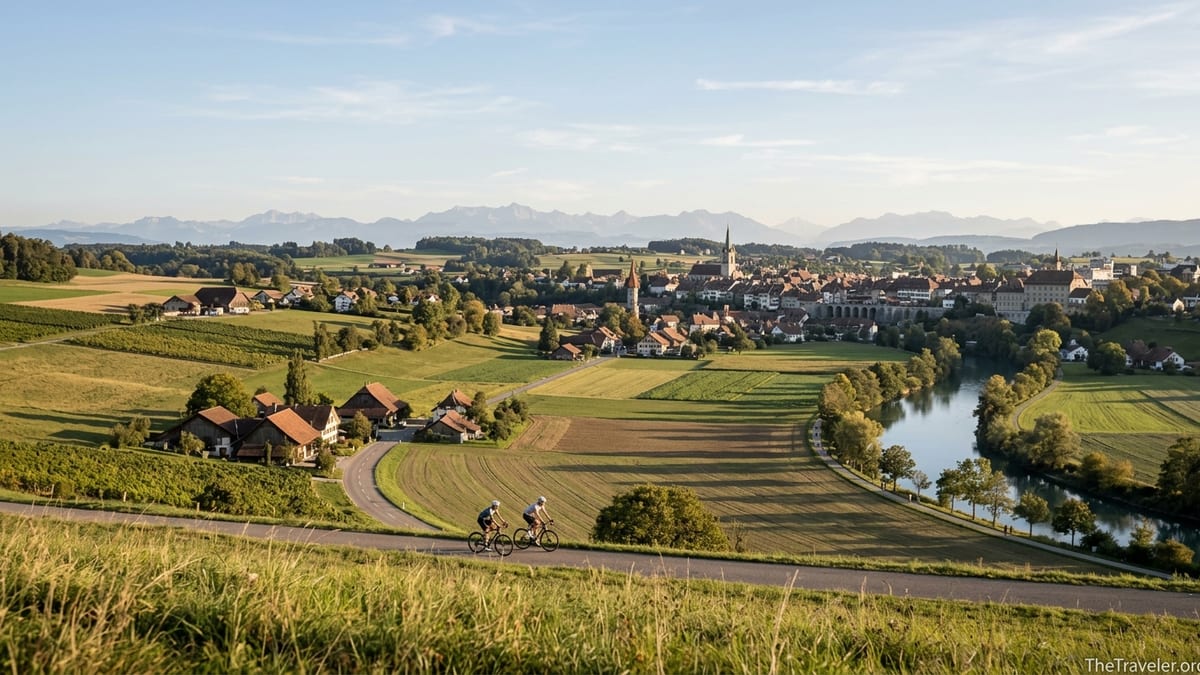
The Swiss Plateau stretches between Lake Geneva and Lake Constance, sitting between the Jura mountains to the northwest and the Alps to the southeast. It includes major cities such as Zurich, Bern, Basel, Lausanne and Geneva, along with smaller hubs like Lucerne, Fribourg and St. Gallen. Altitudes are generally 400 to 600 meters, which gives the region a classic central European climate: warm summers, cool winters and four distinct seasons.
In practical terms, that means you can be walking through vineyards near Lausanne in October, cycling alongside the Aare River near Bern in May, or browsing Zurich’s indoor Christmas market in December, all without the extremes of high mountain weather. Average January daytime highs in lowland cities hover around 3 to 5 degrees Celsius, while July and August often see afternoon temperatures in the mid-20s, with hotter spells above 30 degrees not unusual in recent years.
Weather varies within the plateau. Cities closer to the Alps, such as Lucerne, tend to see more rain than places like Basel, which has one of the drier and warmer plateau microclimates. The famous “Hochnebel” valley fog is a winter frustration around Zurich, Bern and Basel, where low grey clouds can sit for days. Understanding these patterns helps you time activities like cycling, open-air swimming and countryside drives for windows when they are most enjoyable.
Because the plateau is the country’s economic heart, hotel prices respond as much to business demand and trade fairs as to tourist seasons. Zurich and Geneva may be quiet at weekends but full of corporate travelers midweek, even in November. Smaller cities such as Bern or Lucerne tend to follow a more familiar tourist rhythm, with summer, Christmas and major event dates pushing rates up and shoulder seasons offering better value.
Spring: Best for Fresh Green Countryside and Quiet Cycling
From late March to May the plateau emerges from winter: trees bud, cows return to pastures and riverbanks in cities like Basel and Zurich come back to life. Daytime temperatures typically climb from around 10 degrees Celsius in late March to 18 to 20 degrees by late May, though nights can still be chilly and showers are common. For many cyclists and countryside walkers, this is the sweet spot before summer heat and high-season hotel pricing arrive.
Spring is ideal for low-traffic cycling routes that thread through farmland and lakeside paths. Around Lake Zurich, for example, you can ride part of the signed national cycling routes along the shore, stopping at small villages such as Rapperswil when the cherry trees are in blossom. The flat Aare route between Solothurn and Aarburg or the gentle paths along the Broye Canal between Murten and Avenches are comfortable in April and May, when you are less likely to overheat and fields are vividly green.
City sightseeing is also rewarding. Museums run full schedules, and locals are still in their regular work rhythms rather than holiday mode. In Zurich, you might split a day between the Kunsthaus art museum and a stroll through the Old Town before taking the short train up to Uetliberg for early spring views across the lake and plateau. In Bern, the UNESCO-listed Old Town, Federal Palace and Bear Park can comfortably be explored on foot without battling summer tour groups.
Hotel prices in spring are generally lower than in June to August. In Zurich, a centrally located, well-rated mid-range hotel that might ask around 260 to 300 Swiss francs per night in peak July can often be found closer to 200 to 230 francs in April, especially over weekends when business travel dips. Smaller plateau cities such as Basel, Bern or Lausanne can drop even further on shoulder-season dates, making a multi-city rail itinerary noticeably more affordable.
Summer: Peak Season for Cycling, Lakes and River Life
June to early September is the prime season for outdoor life on the Swiss Plateau. Daytime highs commonly sit between 22 and 28 degrees Celsius, with heatwaves occasionally pushing above 30. This is when locals swim in rivers, city “badi” lake baths open, countryside restaurants run full terraces and cycling routes are at their busiest. Long daylight hours give you ample time to combine city sightseeing with outdoor activities.
For cycling enthusiasts, summer on the plateau offers the broadest choice of routes. The flat Rhine path between Zurich and Basel, sections of the national Mittelland Route that cross the plateau, and leisurely circuits around lakes such as Zug, Hallwil or Murten are all reliably warm from late June onward. You can stop at farm shops selling local cheese and fruit or at vineyard taverns above Lake Geneva and Lake Biel. Heat can be intense in the middle of the day in July and August, so many riders start early and finish by early afternoon, especially on exposed sections without shade.
River activities are a defining feature of plateau summers. In Bern, confident swimmers join locals on the Aare river float, drifting past the Old Town and climbing out at public baths like Marzili. In Basel, residents jump into the Rhine with waterproof “Wickelfisch” dry bags and let the current carry them downstream to riverside bars. Zurich’s river and lakeside badis, such as Unterer Letten on the Limmat or Seebad Enge on Lake Zurich, fill each sunny afternoon. These experiences are typically possible from June through early September, with August offering the warmest water.
Summer is high season for both leisure and business travel. In Zurich, Geneva and Lausanne, mid-range hotels commonly cross the 250 to 320 Swiss franc range per night for centrally located rooms, especially around events or trade fairs. Lucerne, a key plateau gateway city to the Alps, often sells out of its most appealing lakeside and Old Town hotels in July and early August. To soften the budget impact, many travelers use smaller plateau towns along main rail lines, such as Olten or Fribourg, as bases with lower rates and easy train access for day trips.
Autumn: Golden Countryside, Mild Days and Better Value
Autumn on the Swiss Plateau runs from September through November and can be divided into two very different periods. Early autumn, roughly September and the first half of October, often delivers some of the year’s most pleasant conditions. Daytime highs around 16 to 22 degrees Celsius, clear light and colourful vineyards make it highly attractive for cycling, countryside drives and city walking, while crowds and prices generally ease compared with July and August.
This is an excellent time for combined city and countryside itineraries. You might base yourself in Lausanne, for instance, taking the local train along the Lavaux vineyards above Lake Geneva to walk among the terraces and sample wines in village cellars while the leaves turn golden. In Zurich, you can still swim in the lake on warm September days before heading to rooftop bars that stay open into early autumn. Cyclists often choose October weekends to explore the Seeland region between Lakes Biel, Neuchâtel and Murten, when traffic is quieter and roadside farm stalls sell apples and pumpkins.
From late October into November, the mood changes. Temperatures drop, with daytime highs typically settling between 5 and 10 degrees Celsius by mid-November. The plateau is prone to the persistent “Hochnebel” fog layer that can leave cities like Zurich, Bern and Basel under low grey skies for days. On the other hand, this period is usually the least crowded and cheapest of the year for hotels in plateau cities. Business travel quietens before the December holiday season and general tourism is minimal.
For travelers focused on museums, food and quiet streets rather than outdoor swimming, late autumn can be a bargain. In Zurich or Geneva, centrally located business hotels that might charge well over 250 francs in summer or December can drop closer to 170 to 210 francs on November weekends. Bern, Basel and Lausanne often see even lower off-peak rates. Late November also marks the opening of many Christmas markets, which means you can experience festive lights and mulled wine with more elbow room before December crowds arrive.
Winter: Christmas Markets, Foggy Cities and Frosty Countryside
Winter on the plateau runs from December through February and is defined by short days, near-freezing temperatures and the contrast between cosy cities and often grey, foggy weather. Average daytime highs hover between 1 and 5 degrees Celsius, with nights dipped below zero. Snow in the cities is less frequent than many visitors expect; it does fall, but tends to melt quickly. Skies are often overcast, particularly in low-lying areas where the valley fog can linger.
The biggest draw in early winter is the Christmas market season. Basel, Zurich, Bern, Lucerne, Lausanne and Montreux all host atmospheric markets from late November through just before Christmas, sometimes extending slightly beyond. Basel’s twin markets at Barfüsserplatz and Münsterplatz are often cited among the best in the country, with traditional wooden stalls spread through the Old Town. Zurich offers several distinct markets, including the indoor market under the main station’s high arches and a village-style market near the opera house. Bern’s markets around Waisenhausplatz and in the Old Town are more compact but feel very local.
Winter is not the primary season for cycling or river activities on the plateau. Cold temperatures, potential ice and limited daylight reduce the appeal, and many dedicated cycling routes through farmland can be muddy. That said, city sightseeing continues at a slower pace. Museums in Zurich, Basel or Geneva are warm refuges, and historic centres like Bern’s arcaded streets are designed for wet and snowy conditions. Travelers who do not mind bundling up can enjoy largely tourist-free monuments after the New Year period, once Christmas visitors have left and before spring conferences begin.
Hotel prices in December follow a mixed pattern. In major plateau cities, early December around Christmas markets can see a noticeable bump in rates, though not always as high as peak summer. For example, a well-located, mid-range hotel in Zurich might cost around 220 to 260 francs per night during market season, compared with lower shoulder-season rates in November. Between Christmas and New Year, prices can spike again as both leisure and some business travelers move around. By mid-January, however, plateau city rates usually soften, making this one of the cheaper windows to base yourself in Zurich, Basel or Bern for day trips to nearby alpine ski areas while avoiding high resort hotel prices.
Seasonal Trade-offs: Cities, Countryside, Cycling and Rivers
Choosing the best time to visit the Swiss Plateau depends on which experiences matter most to you. For city sightseeing with moderate weather and long opening hours, late April to June and September to early October offer a strong balance. Zurich, Bern and Basel feel lively but not overwhelmed. You can comfortably walk between museums and viewpoints without freezing or overheating. These months are particularly good if your focus is on culture, food and architecture rather than specific seasonal events.
For countryside and cycling, May, June, September and early October usually provide the most pleasant conditions. Spring brings fresh greenery, flower meadows and cooler riding temperatures, while early autumn offers stable weather and colourful vineyard landscapes. July and August can still be excellent for cycling, especially in the mornings or on routes that allow for lake or river swims en route, but mid-day heat and occasional storms are more likely. Dedicated cyclists might plan a loop, such as Zurich to Lake Zug to Lucerne and back, in late September when accommodation availability is better and traffic on country roads is lighter.
River activities such as the Aare swim in Bern or Rhine floating in Basel are best from late June to early September, when water temperatures are higher and river management authorities are less likely to restrict access due to high, fast flows from spring snowmelt. City lake baths on Lake Zurich, Lake Lucerne or Lake Geneva generally open for the season in May and close in September, with July and August offering the warmest conditions. If your dream is a long, lazy afternoon by the water with locals, aim squarely for the summer window.
Christmas markets are concentrated between late November and December 23 or 24, depending on the city. For lower prices and lighter crowds, target the first one or two weeks after markets open, which often means the last week of November or the very start of December. If you want maximum festive atmosphere and do not mind crowds, the weekends in mid-December are the busiest and most animated. After Christmas, markets close, streets quieten and hotel rates in plateau cities tend to drop until business events pick back up later in winter.
Crowds and Hotel Prices by Season on the Plateau
In Swiss plateau cities, crowd patterns are shaped by a mix of tourism, local events and business travel. Summer school holidays, international conferences, major trade fairs and sports events can all push occupancy higher on specific weeks, even in what would otherwise be considered shoulder seasons. As a rule of thumb, weekends are better value than weekdays in business-heavy centers like Zurich and Geneva, while traditional leisure destinations such as Lucerne or Montreux can be busiest on Saturdays.
Spring tends to offer moderate crowds and mid-range prices. You will not usually see the rock-bottom bargains of November, but nor do you pay peak summer premiums. Smart strategies include staying in secondary cities on main rail lines, such as Olten or Winterthur, and day-tripping into Zurich, Basel or Bern. Chains that cater to corporate travellers sometimes discount heavily over Easter or on long weekends.
Summer generally brings the highest overall prices on the plateau, particularly from late June through August. Lakeside hotels in Lucerne, Zug or Lausanne can be fully booked months ahead, and central business hotels in Zurich and Geneva charge a premium when trade fairs coincide with tourist demand. Booking three to six months in advance is advisable if you want specific properties or room types. Travelers on tighter budgets often look at well-connected satellite towns a short train ride away, trading a 30-minute commute for significantly lower nightly rates.
Autumn and winter, especially from late October to mid-November and from mid-January to early March, deliver the best value. Many plateau city hotels offer weekend deals that include breakfast or public transport passes. For example, Bern and Basel often run city cards that give free tram and bus access when you stay in participating hotels, effectively reducing your transport costs. If you time a visit around a museum exhibition or food festival instead of weather-dependent activities, these quieter months can be highly rewarding.
The Takeaway
The Swiss Plateau does not have a single “best” time to visit, but rather a series of optimal windows depending on your priorities. For many first-time visitors wanting a mix of cities, countryside and light hiking or cycling, late May to June and September to early October stand out. Weather is generally mild, hotel rates are more manageable than in the peak of summer, and both riversides and museums are fully active.
If you are a dedicated swimmer or love long evenings by the water, July and August are hard to beat, provided you accept higher prices and build in early or late-day activities to avoid heat. For a quieter, more local feel with strong value, consider early spring, late autumn or midwinter city bases. And if your dream is wandering through Christmas markets with a mug of mulled wine, target late November or the first half of December in Basel, Zurich, Bern, Lucerne and Lausanne, when festive lights are on, yet hotel prices and crowds remain more forgiving.
Whatever the season, the plateau’s dense rail network makes it easy to adapt on the fly. A foggy morning in Zurich can become a sunny afternoon in a nearby hillside village, and a hot day in Basel can be cooled off with a short train ride to a lake or higher town. With a bit of planning around the seasonal patterns outlined here, you can align Switzerland’s most lived-in region with your preferred pace, weather and budget.
FAQ
Q1. What is the best month overall to visit the Swiss Plateau?
Many travelers find June and September the best compromises, with mild temperatures, long days, active city life, and fewer crowds and lower prices than July and August.
Q2. When is the best time for cycling on the Swiss Plateau?
Late April to June and September to early October usually offer the most comfortable temperatures and lighter traffic, especially on countryside routes and around lakes.
Q3. Which months are best for river swimming in Bern, Basel or Zurich?
River and lake swimming are most reliable from late June through early September, with July and August typically offering the warmest water and longest opening hours at city baths.
Q4. When do Swiss Christmas markets on the plateau usually take place?
Most Christmas markets in cities like Basel, Zurich, Bern and Lucerne run from late November until just before Christmas, with the liveliest atmosphere in early to mid-December.
Q5. Are hotels cheaper in Zurich and Geneva on weekends or weekdays?
In business-focused plateau cities such as Zurich and Geneva, weekends are often cheaper because corporate travelers fill many rooms from Monday to Thursday, even in quieter seasons.
Q6. Is winter a good time to visit the plateau if I am not skiing?
Yes, if you focus on museums, food and Christmas markets. Expect short days, near-freezing temperatures and occasional fog, but also lower prices outside the holiday period.
Q7. Which season is best for combining city stays with countryside day trips?
Late spring and early autumn are ideal, when countryside paths are dry, vineyards and fields are attractive, and city museums and restaurants run full schedules without peak-season crowds.
Q8. Will I see snow in plateau cities like Zurich or Bern in winter?
You may, but snow in lowland cities is not guaranteed and often melts quickly. For reliable snow, plan day trips from plateau bases to nearby alpine areas with higher elevations.
Q9. Is November a bad month to visit the Swiss Plateau?
November is often foggy and cool, but it can be excellent value for city breaks focused on museums, cafes and early Christmas lights, with some of the lowest hotel rates of the year.
Q10. How far in advance should I book hotels for summer on the plateau?
For July and August in popular plateau cities like Zurich, Lucerne and Lausanne, booking three to six months ahead is sensible, especially for well-located mid-range or boutique hotels.