


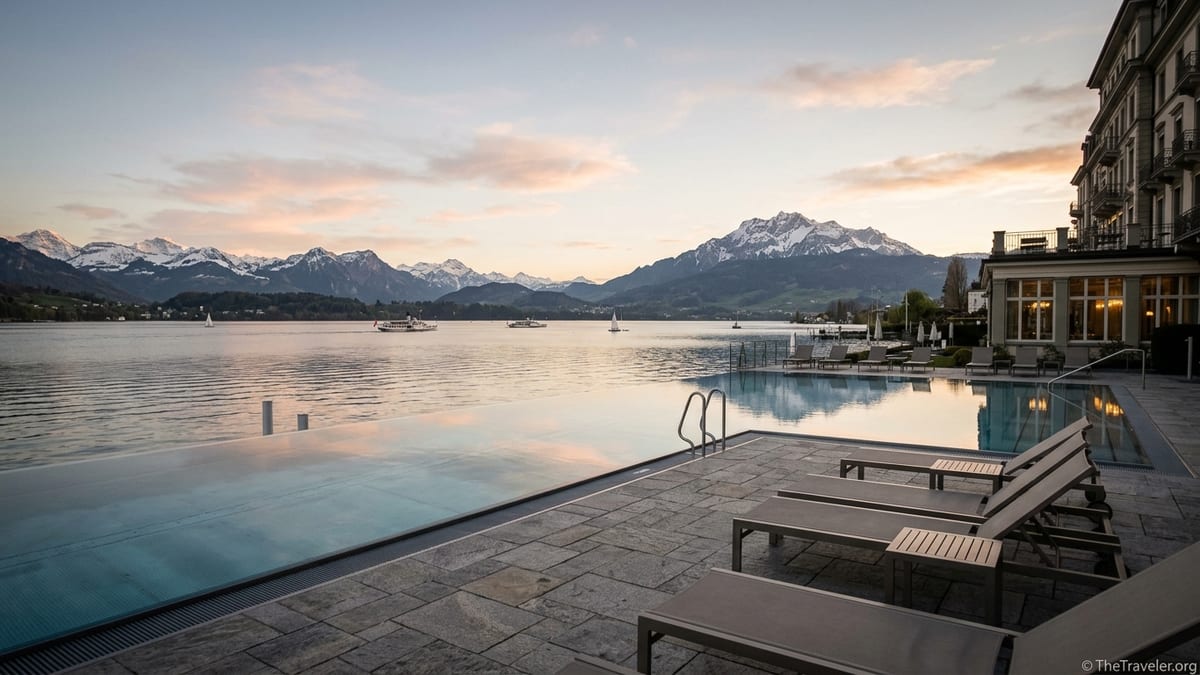
Mirror-flat water, snow-dusted peaks and grand Belle Époque façades: Switzerland’s lakeside hotels deliver exactly the sort of panorama most travelers imagine when they picture the country. Whether you want to swim straight from a hotel jetty, linger in an infinity pool high above the lake or sleep in a 19th‑century palace a few steps from the quay, the country’s big lakes offer distinct experiences that matter when you are choosing where to book. This guide focuses on concrete options around Lake Geneva, Lake Lucerne, Lake Thun, Lake Brienz, Lake Lugano and a few quieter lakes, so you can match views, spa access, private swimming and transport to your budget and travel style.
How to Choose the Right Swiss Lake Hotel for You
Before comparing individual lakes, it helps to be clear about what you are paying for. In Swiss lake hotels, nightly rates are usually driven by three things: view category, lake access and wellness facilities. A standard mountain- or town‑view room in a four‑star property on Lake Lucerne might start around 280 to 320 Swiss francs in shoulder season, while the same room with a guaranteed frontal lake view can quickly climb past 400 francs, and a junior suite with balcony can move into the 600‑plus range. The same pattern repeats across the country, so when you compare properties, look closely at the view type listed with each room.
“Direct lake access” can mean anything from a small shared jetty to a private lido with lawn, sauna raft and bar service. Around Lake Lucerne, for example, Park Weggis in Weggis advertises a lakeside park with outdoor pool and a dedicated swimming area in the lake itself, while more urban hotels in Lucerne proper focus on proximity to public baths and boat piers instead of private beaches. On Lake Lugano, resorts such as Swiss Diamond Hotel offer ladders straight into the water from a private deck, which is very different from a city hotel across the road from the promenade.
Wellness infrastructure is the third factor. Properties with serious spas, like the Bürgenstock Resort high above Lake Lucerne, invest heavily in pools, saunas and treatment facilities, and their nightly rates reflect that. More modest lakefront hotels might offer only a small indoor pool and steam room, but still market themselves as spa hotels. If soaking with a view is a priority, read the spa descriptions carefully and look for mentions of outdoor infinity pools, lakeside saunas or separate adults‑only zones.
Transport can also shape your stay. On most major lakes, the best‑situated hotels are tied into the boat network, making it easy to step from your lobby onto a scheduled lake steamer. Lake Thun and Lake Brienz, for instance, are both served by regular boats connecting Interlaken with lakeside villages, and many hotels highlight their proximity to landing stages. If you plan day trips by train and boat rather than car, it can be worth paying slightly more for a hotel that sits right on a pier or within a few minutes’ walk.
Lake Geneva: Grand Palaces and Urban Waterfronts
Lake Geneva, or Lac Léman, stretches from Geneva to Montreux and Vevey, and its hotel scene is dominated by classic luxury properties facing the water. In Geneva itself, historic lakeside hotels cluster along the right bank with front‑row views of the Jet d’Eau and the distant Alps. Nightly rates at top‑tier five‑star addresses here often start around 700 to 900 francs for an entry‑level city‑view room and climb beyond 1,200 francs for guaranteed lake‑view suites in peak summer, driven by both business demand and the prestige of the address.
If you are booking specifically for leisure, you may find better value and a more relaxed atmosphere further along the lake in Montreux and Vevey. Here, grand hotels dating to the late 19th century line the waterfront promenade, typically separated from the water by only a pedestrian path and public gardens. Many of these properties offer balconies that look directly over the lake towards the Dents du Midi and the Lavaux vineyards. Expect mid‑range lakefront four‑stars to start from roughly 300 to 400 francs per night in spring and autumn, rising in July and August and during major festivals such as the Montreux Jazz Festival.
Private swimming areas are more limited on Lake Geneva’s urban shores. Even upscale Geneva city hotels usually rely on stylish rooftop pools or offer access to nearby public bathing areas rather than private beaches. In contrast, certain resorts east of Lausanne and near Montreux have small lakeside lawns or jetties reserved for guests, sometimes combined with a seasonal outdoor pool. When you read hotel descriptions, look for language such as “private pontoon” or “direct access to the lake” if you want to avoid crossing a public path to swim.
Wellness on Lake Geneva tends to focus on chic urban spas. In Geneva, several five‑star hotels market full‑service wellness centers with indoor pools, hammams and treatment menus that appeal to both hotel guests and external visitors. Along the Riviera, you are more likely to find Belle Époque properties with renovated spa areas, combining historic ballrooms and lakeview terraces with contemporary pools and saunas. If you plan to spend rainy days indoors, prioritize a hotel where the spa is described in detail and illustrated with views of the lake, not just generic treatment rooms.
Lake Lucerne: Storybook Views, Strong Spa Scene
Lake Lucerne might offer the most instantly recognizable combination of water and mountains in Switzerland, with hotel terraces looking across to peaks such as Pilatus and Rigi. In Lucerne city, grand hotels like the lakeside palaces along the Nationalquai place you directly opposite the boat piers, with clear sightlines to the wooden Chapel Bridge and the mountains beyond. Recent destination guides highlight properties such as Hotel Schweizerhof Luzern, which combines a central promenade location with event spaces and contemporary rooms, and nightly rates here in high season often begin around 400 to 500 francs for a lake‑facing room, depending on demand and events.
Move a little further along the shore and you reach smaller resort communities like Weggis and Vitznau, where the tone shifts from city break to resort stay. Park Weggis in Weggis, for example, is positioned as a five‑star lakeside retreat with a spa, outdoor pool, lakeside lawns and direct access to the water; typical rates for double rooms often sit in the 350 to 550 franc range in common travel periods, with suites significantly higher. In nearby Vitznau, Park Hotel Vitznau is one of Switzerland’s most exclusive lakefront properties, with just over 40 suites, its own private lake access and large spa facilities. Travelers discussing recent stays describe it as a place where you might spend entire days between the infinity pool, the spa and the terrace without feeling a need to leave.
Not every Lucerne‑area lakeside hotel sits right at water level. High above the lake, the Bürgenstock Resort occupies a ridge with panoramas that sweep over the water and distant Alpine peaks. Built as a car‑free complex with multiple hotels, residences and restaurants, it centers on an Alpine spa that spans several indoor and outdoor pools and wellness zones, including a famous infinity pool that appears to float above the lake. Here, you trade the ability to step directly into the water for one of the most dramatic spa views in the country, with prices reflecting the resort’s five‑star positioning and extensive facilities.
More mid‑range options exist in villages around the lake, often combining family‑run service with access to public lidos. In Weggis, wellness‑oriented hotels share spa facilities and provide passes to neighboring lidos where guests can swim from a beach or jetty. In quieter suburbs of Lucerne, lakeside hotels may maintain their own small bathing platforms and boat docks, while relying on the city’s excellent public transport for access to the Old Town and mountain excursions. When comparing, note whether lake access is private and on‑site, or provided through a separate public facility a short walk away.
Lakes Thun and Brienz: Quieter Shores and Easy Excursions
To the south of Interlaken, Lake Thun and Lake Brienz offer a more low‑rise, village‑style hotel scene, with many properties combining three‑ or four‑star comfort with direct water views. On Lake Thun’s northern shore, for example, lakeside hotels in villages like Gunten or Oberhofen often sit just above the water, sometimes with their own boathouse spa or small bathing area. A wellness‑focused hotel in this area might charge 250 to 400 francs per night for a double room, with supplements for suites and guaranteed lake‑front balconies.
Wellness facilities here tend to be more intimate than on the big resort lakes. Around Lake Thun, some hotels have converted boathouses into spa spaces with saunas, whirlpools and relaxation rooms opening directly over the water, allowing guests to alternate between hot and cold plunges with lake views. In and around Interlaken, hotels often pair modest spa areas with access to a lakeside lido, especially on Lake Thun, where public bathing lawns and small beaches are dotted along the shore. This arrangement can work well if you plan to spend much of your time on excursions to the Jungfrau region rather than at the hotel.
Lake Brienz has a different character entirely, with turquoise water and fewer large hotels directly on the lake. Several small and mid‑sized properties occupy prime shoreline in and around the town of Brienz, with some offering their own lakeside terraces or proximity to the lido. A newer lakeside resort complex on Lake Brienz focuses on vacation apartments with hotel‑style services, including spa and lake access, aimed at guests who prefer self‑catering with resort amenities. Nightly rates for standard hotel rooms near the water often start in the 220 to 320 franc range depending on season, while larger apartments in serviced complexes can cost more but suit families or longer stays.
What makes Thun and Brienz appealing for many travelers is the combination of lake access with straightforward transport. Boats on both lakes connect directly with train stations, so you can arrive in Interlaken by rail, ride a lake steamer to your hotel’s village landing stage and walk a few minutes to check‑in. For visitors who value a quiet base with easy access to mountain railways and hiking, choosing a lakeside hotel here can strike a balance between scenery, affordability and connectivity.
Lake Lugano: Italian Flair, Steep Shores and Boutique Resorts
Lake Lugano, straddling the Swiss‑Italian border, brings a Mediterranean feel to the country’s lake hotel scene. In Lugano city, the waterfront is lined with a mix of historic grand hotels and contemporary properties, many facing the lakefront promenade and views towards Monte San Salvatore and Monte Brè. Luxury lakeside hotels here, such as Belle Époque villas converted into five‑star properties, typically start from the equivalent of 350 to 450 US dollars per night for entry‑level rooms in common travel periods, with premiums for lake‑view categories and suites.
Several Lugano hotels emphasize heritage and gardens as much as direct water contact. Historic villas set in lakeside parks may have outdoor pools positioned between the building and the lake, plus private jetties or moorings for boat arrivals, but swimming in the lake itself is often via ladders rather than beaches, since the shore drops steeply in many places. South of the city center, resorts like Swiss Diamond Hotel on the Swiss side of the lake combine classic interiors with a waterfront spa, a lakeside deck and direct swimming access, making them attractive options for travelers who prioritize being close to the water.
Just outside Lugano, you will find boutique hotels in residential neighborhoods perched right above the shoreline. Some of these focus on contemporary design and panoramic terraces rather than full‑scale spa complexes. Others, especially on the quieter eastern shore, double as wellness retreats with indoor pools, saunas and treatment rooms opening onto gardens with filtered lake views. Mid‑range rooms at such properties might begin around 250 to 350 francs per night, with higher prices in September when weather is still warm but crowds thin.
Transport on Lake Lugano has a slightly different flavor from the big tourist lakes in central Switzerland. Public boats connect Lugano with smaller villages dotted around the shores, but some of the most atmospheric properties are in neighborhoods reached primarily by local buses or by private transfers. If you plan to rely on public transport, check descriptions carefully to see whether the hotel sits directly on the promenade, within walking distance of the main boat pier or up a hillside requiring a bus ride back from the water.
Other Lakes with Standout Waterfront Stays
Beyond the headline destinations, several smaller Swiss lakes offer strong lakeside hotel experiences. On the quieter stretch of Lake Lucerne’s shore, for instance, villages like Weggis and Kastanienbaum host mid‑sized hotels that sit almost at water level, with lawns running down to small jetties and compact spa areas. Compared with the grand palaces in Lucerne city, these properties often feel more relaxed and residential, with rates that are noticeably lower outside peak summer and holiday periods.
On Lake Zurich and Lake Zug, city‑adjacent lakeside hotels combine commuter convenience with resort‑style touches. You may find four‑star hotels with private lakeside terraces and bathing platforms just a short train ride from Zurich’s main station, making them appealing for travelers who want both urban dining and time by the water. Lake Maggiore and Lake Constance, although not the focus of this guide, host their own collections of lakeside resorts and historic properties, many of which market themselves around palm‑lined promenades, outdoor pools and mild microclimates.
When browsing hotel collections curated specifically around lakes, you will notice that entry‑level rates can be surprisingly accessible in shoulder seasons. Some Swiss lakeside hotels associated with national hospitality groups list starting prices from around 120 to 180 francs for basic rooms at three‑star or lower‑four‑star level, often in secondary towns or smaller villages. These can be good value if a simple room with a balcony and shared access to a lakeside terrace meets your needs better than a fully fledged spa resort.
It is worth noting that not all “lake hotels” are on the shoreline itself. Some are set back one or two streets from the water, or uphill with partial views. They may advertise lake views but lack any form of direct access. If swimming or kayaking from the property matters to you, cross‑check map locations and photo galleries to confirm that the hotel truly fronts the water, and look for details about private jetties, lidos or partnerships with nearby lakeside facilities.
Booking Tips: Views, Seasons and What to Watch For
Securing the experience you want from a Swiss lake hotel often comes down to the details of your booking. First, always check how the room type labels correspond to actual views. Terms such as “lake side,” “partial lake view” or “mountain view” can mean very different things from one property to the next. On a bend of Lake Lucerne or Lake Geneva, for example, a “lake side” room might overlook a marina or a side bay rather than the open water and main mountain panorama you have seen in marketing images.
Seasonality strongly affects both price and atmosphere. High summer from late June through August is typically the most expensive, especially on Lake Geneva’s Riviera, Lake Lucerne and Lake Lugano. Shoulder seasons in May, early June, September and October can be sweet spots, with milder weather, lower rates and more space at lakeside spas and lidos. In winter, many lake hotels pivot to wellness and Christmas markets, and you can sometimes book top properties for significantly less, trading swimming for snowy views and long spa sessions.
Travelers focused on wellness should look beyond basic spa labels and review which facilities are included for hotel guests. At some resorts, access to the main pool and sauna area is part of the nightly rate, while special thermal circuits or rooftop pools may incur an additional fee or require advance reservations. At multi‑hotel complexes like Bürgenstock above Lake Lucerne, spa policies can vary between individual hotels on the same site, so it is worth checking what is included in each room category before you commit.
Finally, consider transport passes and inclusions. In Lucerne and parts of Central Switzerland, many hotels now provide guest cards that cover city buses and offer discounts on mountain excursions or boat rides. Around the Bernese Oberland lakes, hotels may include free or discounted local transport cards. While these perks should not be the only reason you choose a property, they can add tangible value over several days, especially if you are moving between lake villages by boat and train rather than by car.
The Takeaway
Choosing among Switzerland’s lake hotels is less about finding a single “best” property and more about aligning very clear preferences with what each lake and hotel type does well. Lake Geneva favors grand urban palaces and promenades, Lake Lucerne mixes classic city hotels with serious spa resorts and lakeside villages, Lakes Thun and Brienz offer quieter, excursion‑friendly bases and Lake Lugano wraps everything in Italian‑accented warmth with steep shores and boutique stays.
If you want to swim straight from your hotel and spend days alternating between the lake and the spa, focus on properties that explicitly mention private jetties, lidos or lakeside wellness zones rather than just “lake views.” If your priority is strolling a historic old town and hopping on boats for day trips, a centrally located hotel near major piers on Lake Geneva or Lake Lucerne may suit you better than a secluded resort. Take the time to read room descriptions, map locations and spa details carefully, and you can book a stay where the reality matches the postcards that inspired your trip.
FAQ
Q1. Which Swiss lake is best if I want a hotel with both a big spa and dramatic lake views?
Bürgenstock Resort above Lake Lucerne is often cited for its expansive Alpine spa and sweeping lake panorama, while Park Hotel Vitznau on the shore combines direct lake access with a high‑end spa. Both are firmly in the luxury bracket, so budget‑minded travelers might instead look at mid‑range wellness hotels around Weggis or on Lake Thun that offer smaller spa areas but still enjoy strong views.
Q2. Where can I find Swiss lake hotels with true private swimming access?
On Lake Lucerne, several hotels in Weggis and Vitznau maintain private jetties or lakeside lawns reserved for guests, while certain resorts on Lake Lugano and Lake Thun have their own decks or boathouse bathing areas. When you research, look for mentions of private lidos, bathing platforms or guest‑only lake access, and verify photos of the shoreline to confirm you are not relying solely on nearby public beaches.
Q3. Are lakeside hotels on Lake Geneva much more expensive than on other lakes?
In Geneva city, top lakeside hotels can be among the priciest in the country, reflecting both business demand and their address on the promenade. However, along the Montreux and Vevey stretch you can often find four‑star lakefront hotels at prices comparable to similar properties on Lake Lucerne or Lake Lugano, especially outside festival periods and peak summer weekends.
Q4. Is it worth paying extra for a lake‑view room rather than a standard room?
If you plan to spend significant time at the hotel, a lake‑view room can transform the experience, particularly at sunrise and sunset. That said, in hotels with extensive shared terraces, bars and spas overlooking the water, budget‑conscious travelers may be happy with a less expensive mountain‑ or town‑view room and enjoying the lakescape from public areas instead.
Q5. Which lakes are better for a quieter stay away from big crowds?
Lakes Thun and Brienz near Interlaken generally feel calmer than Lucerne or Geneva’s city waterfronts, especially if you stay in smaller villages rather than in Interlaken itself. Parts of Lake Lucerne away from the city, such as Weggis and some smaller bays, can also be peaceful, as can certain stretches of Lake Lugano beyond the main town, especially outside school holidays and major events.
Q6. Do most Swiss lake hotels have year‑round outdoor pools?
Only a subset of higher‑end spa properties operate heated outdoor pools all year. In many mid‑range lakeside hotels, outdoor pools are seasonal, typically open from late spring to early autumn. If winter swimming or outdoor soaking is important to you, check that the property lists a heated outdoor pool or year‑round infinity pool as part of its spa facilities.
Q7. How far in advance should I book popular lakeside hotels in summer?
For July and August stays, especially at sought‑after hotels on Lake Geneva’s Riviera, in Lucerne city or at flagship spa resorts, booking several months in advance is advisable. More modest lakeside properties on Thun, Brienz or in smaller Lucerne villages can sometimes be found closer to arrival, but you will still have more choice and better room categories if you reserve early.
Q8. Are there good lakeside options for families with children?
Yes. Around Lake Lucerne and Lake Thun in particular, several lakeside hotels position themselves as family‑friendly, with lawns leading to the water, shallow entry areas at nearby lidos and kids’ zones in the spa or pool area. Look for mentions of family rooms, playgrounds, kids’ clubs or child‑friendly sections of the spa to ensure the hotel’s atmosphere aligns with your needs.
Q9. Can I rely on public transport from lakeside hotels, or do I need a car?
On the major lakes, public transport is usually excellent. Hotels near boat piers and train stations on Lakes Geneva, Lucerne, Thun and Brienz offer straightforward car‑free access, and many guests use lake steamers as part of their daily sightseeing. On Lake Lugano and some smaller lakes, a car can be more convenient for reaching hillside or out‑of‑town properties, though buses and boats still cover many popular areas.
Q10. What is the best time of year to balance good weather with more affordable lakefront rates?
Late May, June and September often provide a good compromise between pleasant temperatures, less crowding and more moderate pricing than peak summer. In these shoulder months, many lakeside hotels have their outdoor areas and lidos open, but you are less likely to encounter full occupancy and the highest seasonal rates seen in July and August.